
When it comes to choosing a healthcare system, many people wonder: whether to choose Allopathy, Ayurveda, or Homeopathy?
People often ask which system of medicine is best. The truth is, each one helps in different ways.
Allopathy is modern medicine. It works fast and is very important in emergencies like accidents, infections, and surgery. It gives quick relief, but medicines can sometimes cause side effects.
Homeopathy uses very mild medicines to stimulate the body’s healing power. It is gentle and safe, especially for children, but results may take time.
Ayurveda is an ancient Indian system. It focuses on diet, lifestyle, and natural herbs. It tries to treat the root cause of disease and keep the body balanced. It works slowly but helps long-term health.
No system is perfect for everything. Many people use allopathy for urgent problems and Ayurveda or homeopathy for long-term health. The goal is to stay healthy.
Each system has unique strengths, limitations, and ideal use cases. Understanding the differences helps in making informed decisions for both acute illness and long-term wellness.
ALLOPATHY
Allopathy, also known as modern or conventional medicine, is the most widely used medical system in the world. It relies on scientific research, laboratory testing, drugs, and surgery to treat disease.
Allopathy is highly effective in emergency situations, infections, injuries, and life-threatening conditions. It provides quick symptom relief and advanced diagnostic accuracy.
Advantages of allopathy
- Fast results in emergencies
- Evidence-based treatment
- Advanced surgery and diagnostics
- Effective for acute illness
Disadvantages
- Possible side effects
- Long-term medication dependency
- Often symptom-focused
HOMEOPATHY
Homeopathy is based on the principle “like cures like” and uses highly diluted substances to trigger the body’s natural healing response.
It is gentle, non-toxic, and widely used for long-term support.
Homeopathy started in Germany in the late 1700s by Dr. Samuel Hahnemann. It is based on the idea that the body can heal itself. Homeopathy uses very small amounts of natural substances from plants and minerals to help the body recover.
Main Principles of Homeopathy
These are the main ideas used in Homeopathy:
Law of Similars:
This principle says that a substance that can cause symptoms in a healthy person can help cure similar symptoms in a sick person — when given in a very small amount.
Minimum Dose:
Homeopathy uses extremely tiny doses of medicine. The idea is that even a small amount can gently trigger the body’s natural healing system.
Single Remedy:
Usually only one medicine is given at a time. This single remedy is chosen to match the person’s total symptoms — physical and emotional.
Holistic Approach:
Homeopathy treats the whole person, not just the illness. Treatment is chosen based on a person’s history, body type, and mental state, so it is different for each individual.
Advantages of homeopathy
- Minimal side effects
- Safe for children and pregnancy
- Personalized treatment
Disadvantages
- Scientific debate
- Slow response in severe disease
- Not suitable for emergencies
AYURVEDA
Ayurveda is a 5,000-year-old Indian system of medicine focused on balance and prevention. It believes disease occurs when the body’s natural energies (Vata, Pitta, Kapha) become imbalanced.
Ayurvedic treatment includes diet correction, herbal medicine, detoxification, yoga, and lifestyle guidance.
Main Principles of Ayurveda
These are the main ideas Ayurveda is based on:
The Theory of Five Elements:
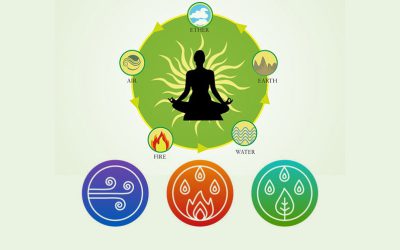
Ayurveda says everything in the universe , including our body is made from five basic elements: earth, air, fire, water, and space. These elements combine to form three life energies called doshas viz Vata (air + space), Pitta (fire + water), and Kapha (earth + water).
Balance of Doshas:
Good health depends on keeping these three doshas in balance. Every person is born with a special mix of doshas, which shapes their body and personality. When the doshas go out of balance, health problems can begin.
Holistic Treatment:
Ayurveda treats the whole person, not just the disease. Treatment can include herbal medicine, diet changes, daily routine, yoga, meditation, and detox therapies like Panchakarma. The goal is to clean the body and bring it back into balance.
Customised Health Solutions:
Ayurveda believes no two people are the same. Treatments are planned based on your dosha type, age, lifestyle, climate, and eating habits. This makes the care personal and suited to your body.
Treatment Methods Used in Ayurveda
Ayurveda focuses on keeping the body balanced and helping it heal naturally. Here are the main ways it does that:
Natural Remedies:
Ayurveda uses herbs and plants that have healing powers. We suggest herbs like Ashwagandha for energy, Turmeric for swelling, or Triphala for better digestion, depending on which dosha needs balance.
Dietary Changes:
Ayurveda believes food strongly affects your health. We suggest eating foods that suit your body type. For example, cooling foods like cucumber and melon may be advised if your body has too much heat (Pitta).
Detoxification (Panchakarma):
This is a special cleaning process that removes toxins from the body. It may include oil massages, steam therapy, and gentle cleansing treatments designed for each person.
Yoga & Meditation:
Yoga and meditation help calm the mind and reduce stress. They also support better balance in the body and improve focus and emotional health.
Lifestyle Changes:
Simple daily habits like regular sleep, proper rest, and a healthy routine are important in Ayurveda. These small changes help prevent future illness and keep the body strong.
Advantages of Ayurveda
- Treats root causes
- Personalized healing
- Preventive approach
- Natural plant-based remedies
- Improves digestion and immunity
Disadvantages
- Slower visible results
- Requires discipline and lifestyle change
- Limited modern clinical research
Which System Should You Choose?
There is no single “best” system.
- Choose allopathy for emergencies and acute illness
- Choose Ayurveda for chronic disease and prevention
- Choose homeopathy for gentle long-term support
The future of healthcare is integrated medicine, where systems work together to improve quality of life.